
Life feels better when we share it with other people. It’s a timeless truth that’s turned into a trend. Social wellness is a simple concept. As social creatures, interpersonal connection is as important to our health as sleep, exercise, and a balanced diet.
As a trend, it’s a renewed acknowledgement of this need rather than something novel, and the best thing about it is that it has something for everyone. From gyms to spas, hobby clubs, workplaces, and neighborhoods, and from the luxury to the down-to-earth, this is more than just a new way to market the wellness industry.
Back to Basics: Why Social Connection Matters
From hunter-gatherers to early agriculture and right up to the present day, working together has been key to our survival. We’re wired for connection and cooperation. Research in fields ranging from psychology to neuroscience and public health confirms that relationships, even low-stakes ones, support our physical and mental health.
According to the Centers for Disease Control and Prevention, measurable benefits of social connection include a lower risk of heart attacks, strokes, depression, and anxiety. But all is not well in modern society. The World Health Organisation raises its concerns about the “loneliness epidemic,” which it sees as a global health concern.
What Went Wrong? The Spread of the Loneliness Epidemic
We live in a digitally connected world, yet many people report feeling isolated. Psychology Today tells us what most of us already know. Social media likes and AI “friends” don’t give us the sense of human connection that we need most.
Aggravating the situation, the rise of working from home during the pandemic has turned out to be a mixed blessing. While it has many benefits, it reduces everyday social contact. Adding to the perfect storm of loneliness, streaming entertainment and online shopping make staying at home easy, while distracting us from our isolation.
It’s a habit we were forced to develop during the pandemic, and to many, it has become a comfort zone they struggle to step out of. Years after lockdowns ended, people report stay-at-home habits, and the National Academies of Sciences, Engineering, and Medicine confirms that for many, the social isolation and loneliness of the pandemic have persisted in the long term.
The Real-World Rise of Social Wellness
While much of the media focus is on the trendier, more luxurious forms of social wellness, benefitting from it needn’t be a costly exercise. As people begin to let go of their isolation, there’s a resurgence of interest in social activities of all kinds.
Fitness Focus Shifts From Solo Challenge to Social Boost
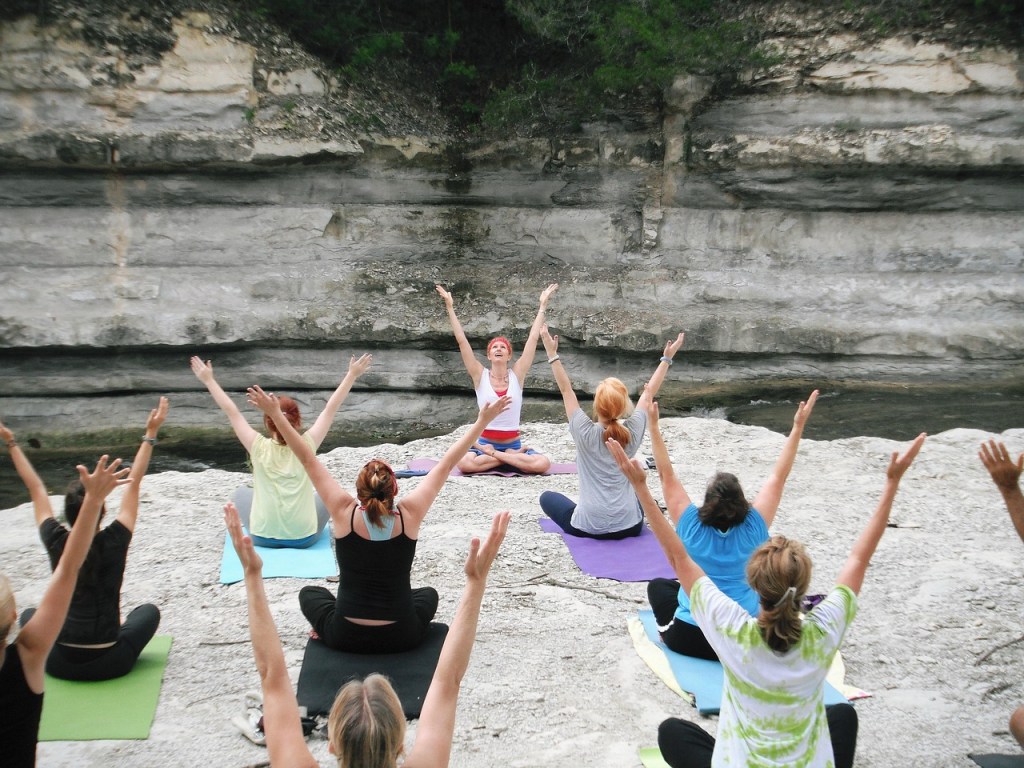
Most of us could do with more exercise, and joining group fitness activities serves a dual purpose. It gets our bodies moving and gives us an opportunity to socialize. Group classes, walking and cycling clubs, and team-based workouts are enjoying renewed support, a trend highlighted by multiple organizations, including the Australian Institute of Fitness.
Spas Cater to “We-Time”
In response to the social wellness trend, some spas are offering social wellness club options. Personal pampering now includes opportunities to mingle and connect in a luxurious environment.
Harking back to the Roman era, when bath houses were social centers, treatments and pampering sessions are increasingly offered in settings purposely designed to promote interaction. Concepts differ, but the intention remains the same. “Me-time” still matters, but there’s also room for “we-time.”
Cubs and Societies Experience an Upsurge in Membership
From book clubs to bird watching and beyond, there’s renewed interest in hobby clubs among people of all ages, with some noteworthy surprises in the demographics they reflect. For example, there are reports that a growing number of younger people are joining bird watching clubs, or forming book clubs – interests previously dominated by older adults.
Creative Classes Draw Fresh Membership
In a related development, The Guardian reports rising youth interest in hobby, arts and crafts classes combining creative expression, hands-on learning, and socialising. Participants say they’re happy to escape their screens, exchanging them for something more concrete while enjoying opportunities to socialize and a sense of community.
Regardless of your age, the benefits of creative pursuits transcend the social element, improving memory, enhancing problem-solving skills, and providing a means of expression. Having a circle that encourages and supports you creates a bridge between personal fulfillment and meaningful connections with others.
Community Activities Expand
The growth pattern repeats itself across activities characterized by group participation. People know that activities or interests outside of work or the home give them a chance to de-stress and socialize, and a growing number are taking advantage of these opportunities.
How to Build Social Wellness Into Your Life
Time-poverty is the elephant in the room. Between work and home, many adults feel they barely have time to rest, let alone participate in social activities. But you may have more time than you think, especially when you factor in leisure screen time. Nevertheless, there’s no way you can do it all, so the success of your social wellness strategy will depend on a thoughtful approach.
- Follow your interests and choose something you enjoy doing – even if you aren’t good at it.
- Choose low-pressure settings where starting or joining conversations is easy and natural.
- Start small. Be it a regular coffee date with friends or a weekly class, small changes are easier to accommodate.
- Be patient. Joining new groups seldom results in instant friendships, but even a shared smile has health benefits and can lead to a closer connection later on.
In-person socializing may be the gold-standard, but it can be difficult for some people. If you aren’t ready yet or face practical constraints, you can still find ways to connect with others. Search for online communities that are interesting, safe, courteous, and comfortable, and engage respectfully. There are still corners of the internet where you’ll find warm, friendly people with whom you can share interests and forge genuine connections.
People Need People
What’s new about social wellness as a trend is the reminder, not the concept itself. Taking a single class or joining a community group may not feel like a revolutionary change, but it can make a difference to your physical and psychological well-being. Best of all, you can combine it with something you already like doing or have always wanted to try. Your community is waiting for you. All you have to do is find it.
 Andrea Durrheim
Leave a comment